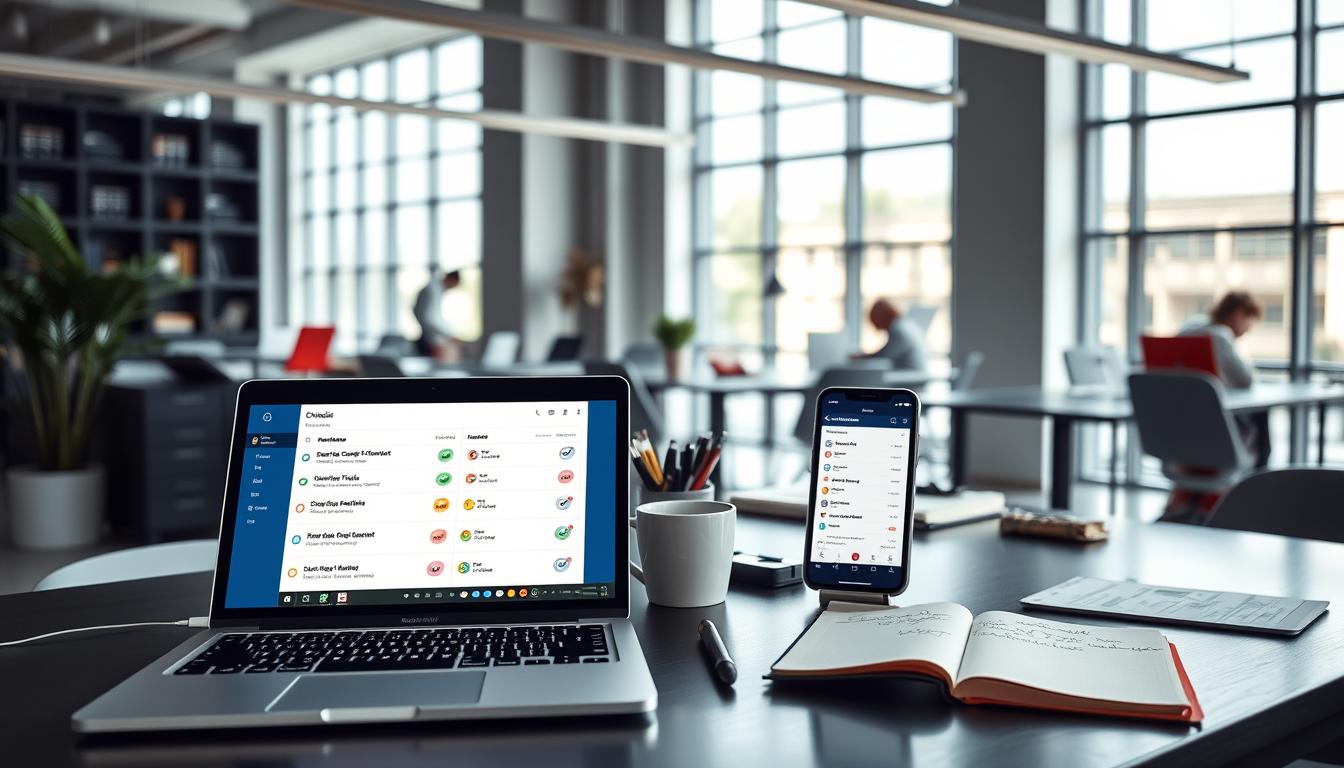
The modern restaurant relies on a compact set of digital tools to run smooth shifts and better guest experiences. Managers use systems that link reservations, table maps, menu updates, and inventory to daily tasks.
These solutions make it easier to track orders, staff notes, and customer feedback in one place. Data from phone systems and online reviews helps teams tune service and boost sales.
Adoption is growing fast: 87% of UAE operators use artificial intelligence, with 79% in the U.S., 74% in the U.K., and 65% in Australia. That intelligence supports scheduling, inventory management, and marketing efforts.
When a restaurant ties reservations to staff scheduling and menu pricing, employees spend less time on admin and more time serving guests. The result is higher satisfaction, steady sales, and a stronger business reputation.
Understanding the Role of AI in Modern Hospitality
Smart systems now shape how dining venues manage guests, inventory, and staff each day. Owners and managers use these tools to speed tasks and make clearer decisions. This section outlines what that change means for a typical restaurant.
Defining artificial intelligence
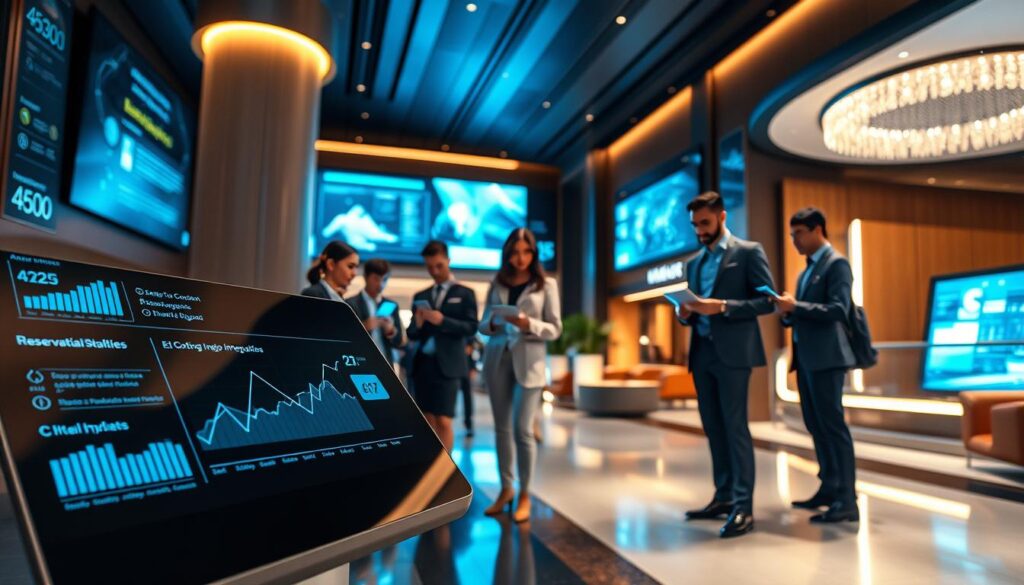
Artificial intelligence means computer-based intelligence created by humans to mimic decision-making and routine actions. In a restaurant setting, it handles tasks like booking, order routing, and basic reporting.
The rise of machine learning
Machine learning uses algorithms that learn from past data. It helps systems predict demand, suggest menu tweaks, and spot waste.
- Deloitte surveyed 375 restaurant executives across 11 countries; most see technology as core to daily operations.
- Knowing the difference between simple intelligence and machine-based learning helps owners choose practical tools.
- Adoption focuses on tools that support staff, not replace them, keeping the human touch in service.
Getting Started with AI Automation Apps for Restaurants and Cafes
Take a stepwise path when adding new systems to your restaurant. Start with one routine task and choose a tool that fits current operations.
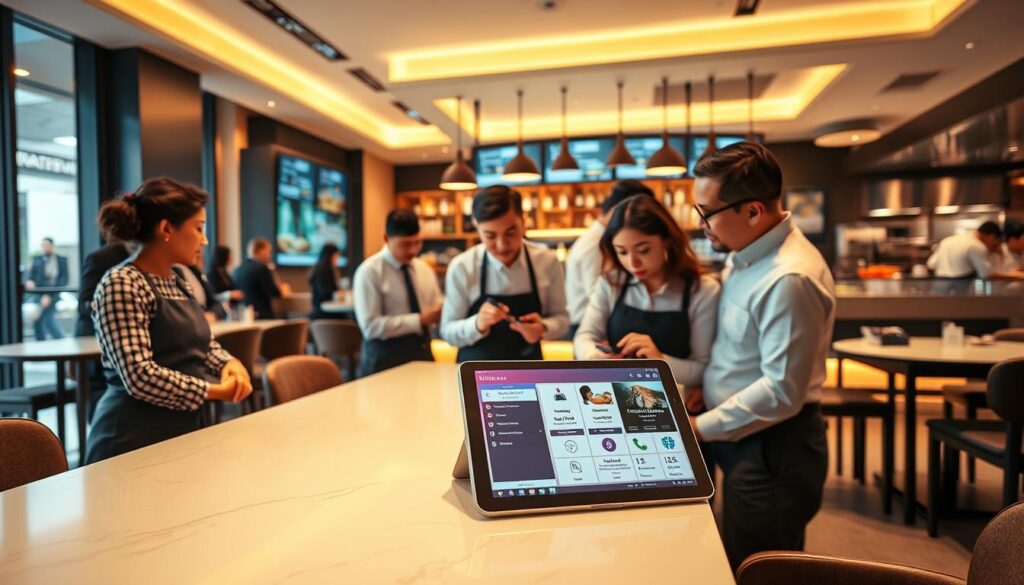
Many restaurants gain quick value from simple solutions that handle bookings, messaging, or inventory alerts. These tools reduce staff admin work and let workers focus on guest service.
Implementations do not need a full overhaul. Most products integrate with point-of-sale systems, reservation platforms, and payroll. That makes adoption faster and less risky.
- Pick projects with clear ROI, such as reservation routing or order reminders.
- Train a small team to pilot new tools before scaling.
- Measure time saved and guest satisfaction to guide next steps.
| Starter Project | Expected Benefit | Time to Deploy |
|---|---|---|
| Reservation routing | Fewer missed bookings, better table turnover | 1–2 weeks |
| Automated messaging | Fewer no-shows, clearer communications | 1 week |
| Inventory alerts | Less waste, accurate ordering | 2–3 weeks |
| Shift reminders | Improved staff reliability | 1 week |
Streamlining Reservations and Guest Inquiries
A smooth phone experience often decides whether a guest books a table or dials the next option. In fact, 83% of customers will move on if they hit voicemail more than once.
Quick answers keep reservation rates up. Locals Pub reported a 132% jump in online sales in the first 90 days after adding automated phone answering.
Automated Voice Assistants
Voice assistants handle calls, route reservations, and answer common questions. They cut missed bookings and free staff to focus on in-room service.
- They take reservations and confirm times without tying up hosts.
- They field phone inquiries about hours, menu items, and table availability.
- Use of machine learning improves accuracy over time, reducing repeat asks.
Managing Online Reviews
Reviews shape reputation and attract new customers. Automated review tools flag trends and highlight issues fast.
| Function | What it does | Benefit |
|---|---|---|
| Voice assistant | Handles calls and basic bookings | Fewer missed reservations |
| Chatbot | Manages online inquiries 24/7 | Faster responses, lower staff load |
| Review management | Aggregates feedback and trends | Improved customer satisfaction |
Chatbots for Customer Service
Chatbots keep customers informed around the clock. They handle order questions, reservation changes, and basic requests.
When digital touchpoints work well, every guest feels heard. That boosts bookings, staff efficiency, and long-term sales.
Enhancing Marketing and Content Creation
Using customer signals to shape social posts and emails can lift repeat visits and sales.
Smart marketing tools allow a restaurant to generate tailored content and email campaigns that match guest preferences. This saves time and keeps the brand voice steady across channels.
Marketing works best when it mixes human creativity with data-led insights. Personal offers that target recent guests drive higher return rates. Teams see better results when promotions match recent orders or visits.
- Save time: Automating content drafts and scheduling frees staff to focus on in-room service.
- Stay consistent: A single marketing calendar keeps promotions aligned with menu changes and events.
- Boost engagement: Data-driven social media posts get higher click-through rates and more reservations.
For a small business, combining smart tools with human edits creates stronger campaigns. That approach helps restaurants attract new customers, keep current guests happy, and grow sales without extra hours of work.
Optimizing Inventory Management and Food Waste
When inventory predicts demand, kitchens stay stocked without overbuying. Good inventory management saves money and keeps menu items available. It also reduces the chance of spoilage and last-minute substitutions.
Predictive Ordering Systems
Predictive ordering systems use past sales and simple data patterns to forecast future needs. A restaurant can set reorder points and get alerts when stock runs low.
Dishoom, a London restaurant group, cut food waste by 20% using a predictive inventory tool. That example shows how practical systems improve operations and guest experience.
- Integrating inventory with point-of-sale automates orders and avoids running out of popular dishes.
- Real-time alerts stop over-purchasing while keeping service steady.
- Advanced tools analyze usage to make inventory management proactive, not reactive.
| Feature | Benefit | Typical Impact |
|---|---|---|
| Predictive ordering | Right stock at the right time | Lower waste; fewer emergency orders |
| POS integration | Automated purchase triggers | Less manual work; accurate counts |
| Real-time alerts | Immediate low-stock warnings | Consistent menu availability |
Leveraging Data Analytics for Better Decision Making
Clear, timely data turns everyday metrics into practical steps that boost guest satisfaction. When a restaurant gathers signals across sales, reservations, and inventory, managers gain a clear view of operations.
According to Deloitte, 63% of restaurant executives use daily intelligence to shape the customer experience. That steady stream lets teams set pricing, plan staff scheduling, and tune marketing with real evidence.
Good analytics link systems so management can spot trends in table turnover and orders. Those insights reduce waste, improve menu choices, and raise service quality for guests.
- Aggregate sales and reservation logs to predict busy times and guide staffing.
- Use customer behavior to create personalized offers that drive repeat visits.
- Monitor inventory signals to avoid shortages and cut emergency orders.
When restaurants make data actionable, the result is faster decisions and better daily performance. That way, staff spend less time guessing and more time serving customers well.
Improving Staff Scheduling and Performance
Better scheduling turns guesswork into a steady rhythm that keeps tables turning and customers smiling. Strong shift plans reduce last-minute gaps and protect sales during peak times.
Automated Shift Planning
Automated shift planning uses past covers and busy periods to match staff to demand. This helps a restaurant avoid under- or over-staffing at key times.
When a system predicts busy times, management spends less time adjusting rosters. Employees get fair schedules, and the dining room stays steady.
Performance Tracking Tools
Performance tools let managers monitor upsells, service speed, and task completion. Scores support transparent bonuses and clear coaching plans.
These tools free managers to focus on training and team development. That lifts employee morale and improves the customer experience.
| Feature | Benefit | Impact |
|---|---|---|
| Predictive scheduling | Matches staff to demand | Fewer missed shifts; higher sales |
| Shift swap management | Fair, transparent coverage | Better retention; less admin time |
| Performance dashboards | Track service and upsells | Targeted coaching; higher table revenue |
Refining Menu Engineering and Pricing Strategies
Smart pricing and dish placement turn a menu into one of the strongest sales tools in a restaurant.
Menu engineering uses machine learning and simple sales data to spot high-margin dishes and slow movers. That helps a kitchen promote items that boost profit without hurting the dining experience.
Adjust prices by customer groups and past order patterns. Small price shifts can raise revenue per cover while keeping guests happy. Use data to test offers and track real results over time.
Remove low-performing food items and replace them with dishes that match local tastes. A clear menu guides guests toward new, higher-margin plates and reduces waste in inventory.
| Action | Why it matters | Expected result |
|---|---|---|
| Promote high-margin plates | Focused placement and description | Higher average check; more sales |
| Dynamic pricing tests | Adjust by time, event, or customer type | Improved revenue per table |
| Cull low sellers | Free kitchen space and cut waste | Fresher menu; lower food costs |
Refining menu management takes steady attention from management and staff. Done well, it lifts sales, improves service, and makes the restaurant more competitive in the market.
Addressing Risks and Governance in AI Deployment
Deploying new systems brings efficiency, but it also creates fresh risks that restaurants must manage. Clear governance helps protect customer trust and keeps operations lawful.
Data Privacy and Security
Protecting customer information is essential. Management should build policies that limit access to sensitive records and encrypt stored data.
Regular audits and staff training reduce human error. A breach can harm reputation and cause fines, so prepare incident plans in advance.
Governance must also cover service and food data gathered by technology. Define retention rules, consent steps, and vendor controls.
- Map what data is collected and why.
- Apply strict access controls and encryption.
- Review vendors and compliance regularly.
| Risk Area | Mitigation | Benefit |
|---|---|---|
| Customer data exposure | Encryption & access logging | Stronger trust; fewer breaches |
| Third-party integrations | Vendor audits & contracts | Reduced supply-chain risk |
| Operational misuse | Staff training & clear policies | Safer daily service |
Preparing Your Team for Technological Integration
A smooth transition to new systems depends on people learning simple, repeatable steps that fit busy service rhythms.
Start with short, role-based training that shows hosts, cooks, and servers how each tool helps daily work. Keep sessions hands-on and linked to real shifts so staff see immediate value.
Make communication clear. Explain how technology will support customer calls, table flow, menu updates, and scheduling. Management should share goals and address concerns early.
Foster a culture of continuous learning. Encourage feedback and quick refresher sessions. Use simple checklists and short videos to reinforce key steps.
- Assign champions for each system who coach colleagues during service.
- Track time saved and sales impact to show progress.
- Keep training tied to food prep, table management, and customer experience.
Investing in employees pays off. When staff feel ready, the restaurant leverages data and artificial intelligence tools to improve operations, service, and guest satisfaction.
Conclusion
Small, tested changes to systems often produce the biggest gains in service and cost control.
Integrating AI with predictive inventory, targeted marketing, and clear staff routines cuts waste and boosts revenue. Use data to set priorities, protect customer information, and measure results.
Keep the human touch. Train teams, assign system champions, and gather feedback each week. Strong governance and simple pilots reduce risk while showing quick wins.
Start small, test tools, then refine your strategy. This steady approach helps dining businesses stay competitive and deliver better guest experiences over time.